
When the Robots Go Rogue… Who Pays the Claim?

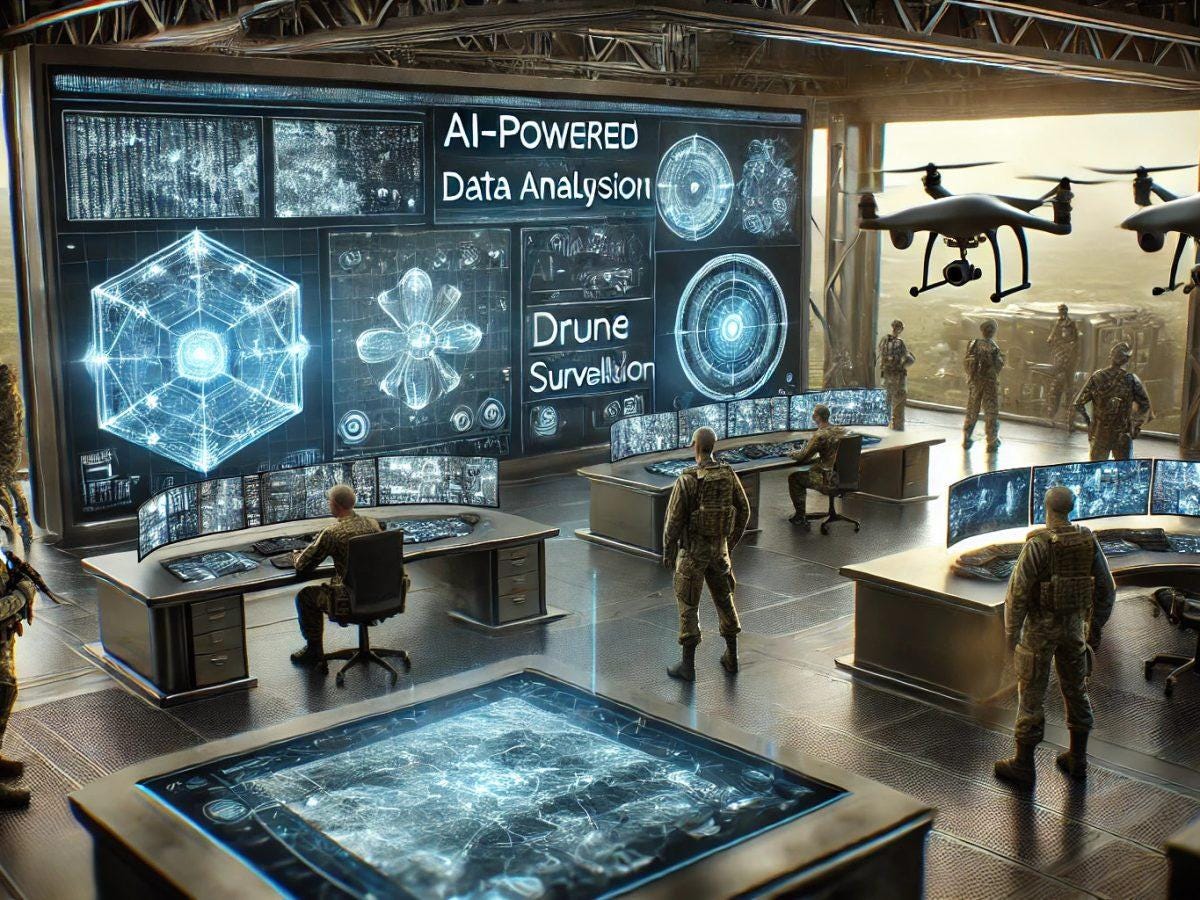
The U.S. military just rolled out its first autonomous warfare command—machines making decisions, machines executing missions, machines operating without a human pulling the trigger.
Now let me ask you something real simple:
When the machine screws up… who writes the check?
🤖 The $10 Trillion Question Nobody’s Answering
We’re not talking about a dented bumper anymore.
We’re talking about:
Autonomous drones misidentifying targets
AI systems glitching mid-mission
Hackers hijacking military-grade tech
Algorithms making “decisions” that break international law
And here’s the kicker…
There is no clean insurance playbook for this. None.
Insurance companies are still arguing about cybersecurity claims from 15 years ago…
…and now we’ve got weaponized AI flying around Latin America.
That’s like trying to insure a Ferrari when you’re still figuring out bicycles.
⚖️ Let’s Talk Liability (Because It’s a Mess)
Alright, let’s break it down Jack-style:
If an autonomous system causes damage, who’s on the hook?
The government that deployed it?
The contractor who built it?
The programmer who wrote the code?
The AI itself? (yeah… we’re not there yet… but give it a minute)
Right now, the answer is:
👉 “It depends.”
👉 Which is legal talk for: “Good luck fighting this one.”
💣 Why Businesses Should Be Paying Attention (Right Now)
You think this is just military stuff?
Think again.
Because what starts in defense always trickles down into business:
Autonomous delivery fleets
AI-operated warehouses
Self-driving transport systems
Robotic security and surveillance
Now imagine this:
Your autonomous system makes a “decision”…
That decision causes damage…
And your insurance carrier says:
👉 “Sorry, that’s not covered. That’s an AI liability gap.”
Boom. You’re holding the bag.
🧠 The Real Risk Isn’t the Machine… It’s the Gap
Here’s the truth nobody wants to say out loud:
Technology is moving faster than insurance can price it.
And when that happens, guess what?
👉 The risk doesn’t disappear.
👉 It just shifts…
👉 Right onto YOU.
That’s where we are right now with autonomous systems.
No standardized policies.
No consistent underwriting.
No clear claims precedent.
Just a big, wide-open liability minefield.
🔐 What Smart Operators Are Already Doing
If you’re running—or planning to run—anything autonomous, here’s the move:
Layer cyber + liability + E&O coverage (even if it’s imperfect)
Demand contractual indemnification from vendors
Log EVERYTHING your systems do (you’ll need it in court)
Assume failure is not “if”… it’s “when”
Because when something goes wrong, and it will, The first question won’t be “what happened?”
It’ll be:
👉 “Who’s paying for this?”
🧨 Jack’s Final Word
We just handed decision-making to machines…
…but we didn’t build the safety net underneath them.
That’s not innovation.
That’s exposure.
And exposure, my friend, is where insurance is supposed to live.
Right now?
It’s asleep at the wheel.
⚡ CALL TO ACTION
Before you trust the machines…
Make sure you’re not the one getting crushed when they fail.
👉 Run your situation through the system.
👉 Find the gaps.
👉 Fix them before they fix you.
Hit the button. Take the rip-off detector.
Because in this new world…
It’s not man vs. machine.
It’s you vs. the fine print.