
L.A. Fire “Survivors” Are Breathing Poison:
A Year Later

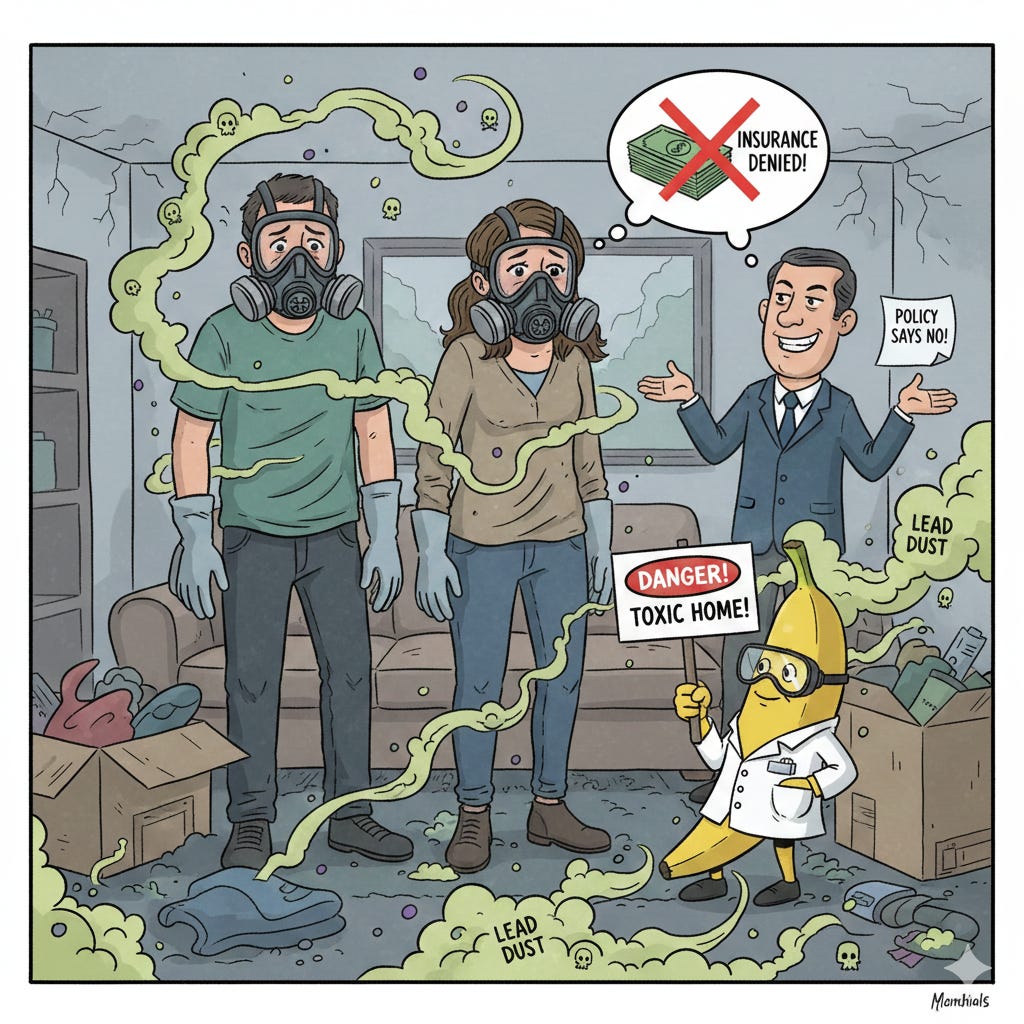
A year ago, two wind-whipped firestorms tore through Los Angeles.
31 people dead
17,000 buildings reduced to ash
Entire neighborhoods erased in hours
If you lived in places like Altadena or the Pacific Palisades and your house didn’t burn?
You were told you were lucky.
You stood on your lawn.
You smelled the smoke.
You thanked God the flames missed you.
But here’s the truth no one said out loud:
Your house survived.
Your air didn’t.
The Lie of the “Standing Home”
Wildfires don’t need to touch your walls to destroy your life.
When an entire neighborhood burns, it creates something far worse than smoke.
It creates a toxic soup:
Vaporized cars
Melted electronics
Incinerated plastics
Burned wiring
Lead paint from older homes
Asbestos from insulation and siding
That poison doesn’t politely stay outside.
It seeps in.
Through vents.
Through cracks.
Into carpets, curtains, floorboards, and HVAC systems.
Your house becomes a sealed container for contamination.
The Numbers Nobody Wants to Talk About
This isn’t speculation. It’s measurable. And it’s ugly.
60% of tested homes near the Eaton Fire still contain dangerous asbestos or lead
Lead levels averaging 60× higher than EPA safety limits
Indoor air testing reading like a chemical spill report
This is what people are living with right now.
The Symptoms Are the Warning Sirens
Families report:
Chronic headaches
Burning throats
New respiratory issues
Nausea
Fatigue that doesn’t go away
Parents are watching kids cough in their own bedrooms.
And the house still smells like an ashtray full of chemicals.
But insurance says it’s “fine.”
Now Comes the Insurance Squeeze
Here’s where the second disaster begins.
For months, families lived in rentals while trying to clean their homes properly. Insurance paid Additional Living Expense (ALE),at first.
Now?
The checks are stopping.
Why?
Because in the insurer’s world:
The fire is out
The house is standing
Case closed
Their logic is cold and mechanical:
“Go home.”
Never mind the lead in the baby’s room.
Never mind the asbestos in the vents.
Never mind that real remediation requires industrial-grade cleaning, not a mop and a prayer.
Families are being forced into an impossible choice:
Poison your kids—or lose your housing.
Let’s Be Clear About the Contract
Insurance is not charity.
It is not a favor.
It is a contract.
People paid premiums for protection against loss.
If your home contains neurotoxins that disrupt the central nervous system, that is a loss, whether the walls are standing or not.
Right now, families in Altadena are wearing respirators inside their own living rooms, sorting through belongings while fighting a second war:
Paperwork
Denials
Delay tactics
“Prove it yourself” demands
They’re being told to pay $10,000+ out of pocket just to prove their air won’t harm their children.
That’s not protection.
That’s abandonment with paperwork.
The Bottom Line
If the premium was paid, the home should be made safe.
Not “good enough.”
Not “technically standing.”
Safe.
Period.
This is why INSSUX exists.
Because the real damage doesn’t end when the flames go out—it begins when the paperwork starts.
If this hit close to home
Stay sharp.
Document everything.
And don’t let anyone tell you that standing walls mean a livable house.
You deserve better than that.
Quietly connecting homeowners who refuse to inhale the fine print.
Join the Inssux (Telegram) Rebels: https://t.me/inssux